


Sit up straight! We have all said it. Probably more than once today.
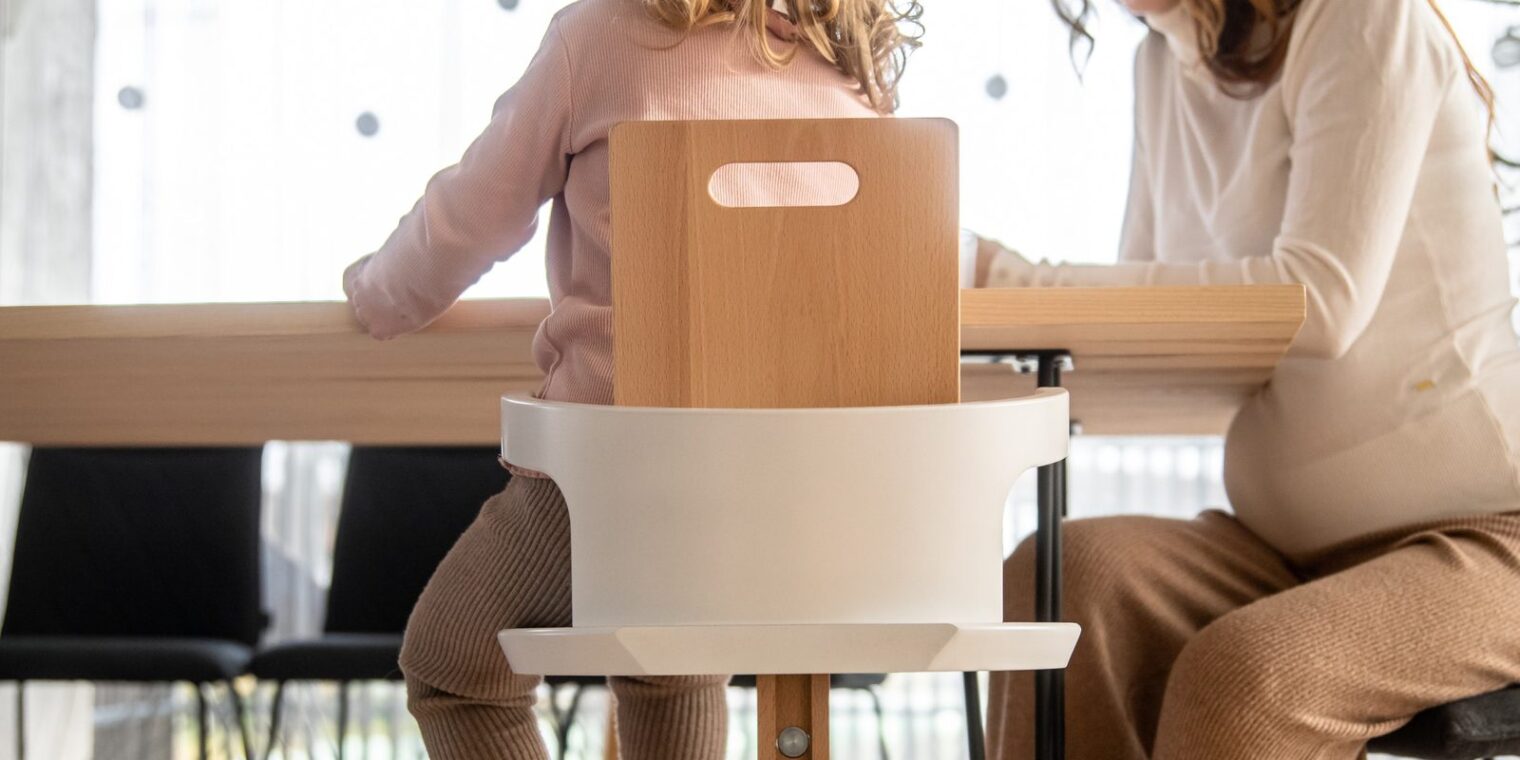
But here is the thing. Kids rarely slouch because they want to. Most of the time, their chair simply doesn’t fit them. Feet dangle, the table is too high, and there is nothing behind their back. So they wriggle, kneel and lean, just to feel steady.
The good news? You don’t need to nag. You need the right setup, and a few small habits. Here is what good sitting posture for kids looks like at every age.
Quick answer
A child sits well when their back is supported, their feet rest flat on the floor or a footrest, and the table is just above their elbows. Hips, knees and ankles should be at about 90 degrees. As children grow, the chair needs to change with them, so an adjustable chair with a movable seat, footrest and backrest makes good posture much easier from 6 months to school age.
Why posture matters while your child grows
A newborn’s spine is shaped like a soft letter C. The natural curves come later, step by step. First when your baby lifts their head, then when they sit, crawl, stand and walk. Those early years are a time of fast growth, and it is also when everyday habits start to form.
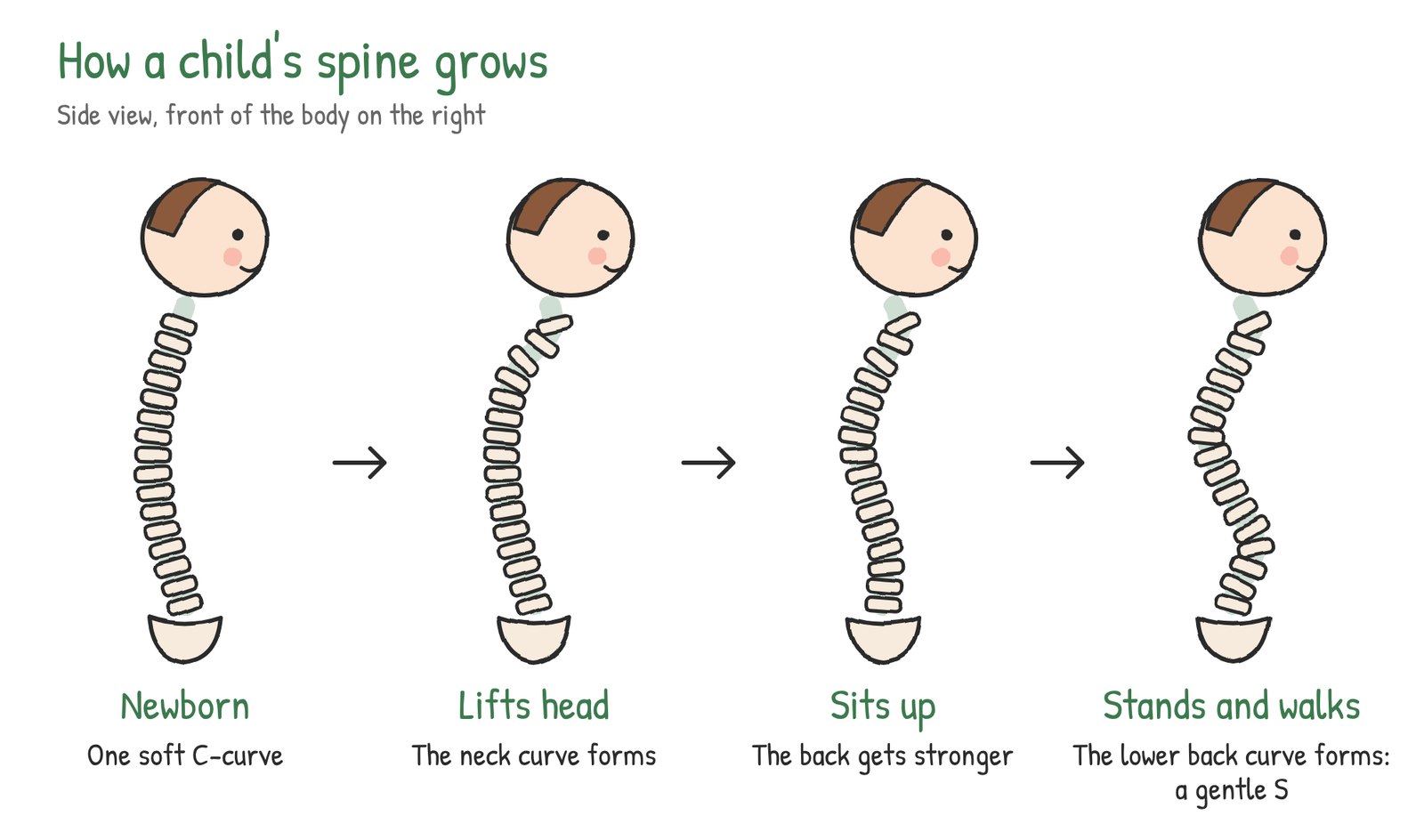
Good posture is simple to describe. Seen from the side, the ear, shoulder and hip line up, as the Royal Children’s Hospital Melbourne puts it.
At the table, a good position also makes daily life easier. The NHS children’s occupational therapy service explains that a child who sits well feels more comfortable, focuses better on what they are doing, and finds eating less tiring. A child who isn’t well supported can find swallowing harder.
Think of it like this. If your child has to work hard just to stay upright, there is less energy left for eating, drawing or homework.
How to sit at every age
Babies (around 6 months)
Before your baby can sit up on their own, your lap is the best seat at mealtimes. Around 6 months, most babies can sit upright and hold their head steady. That is one of the signs the NHS lists for starting solid food, and a good moment to move to a high chair.
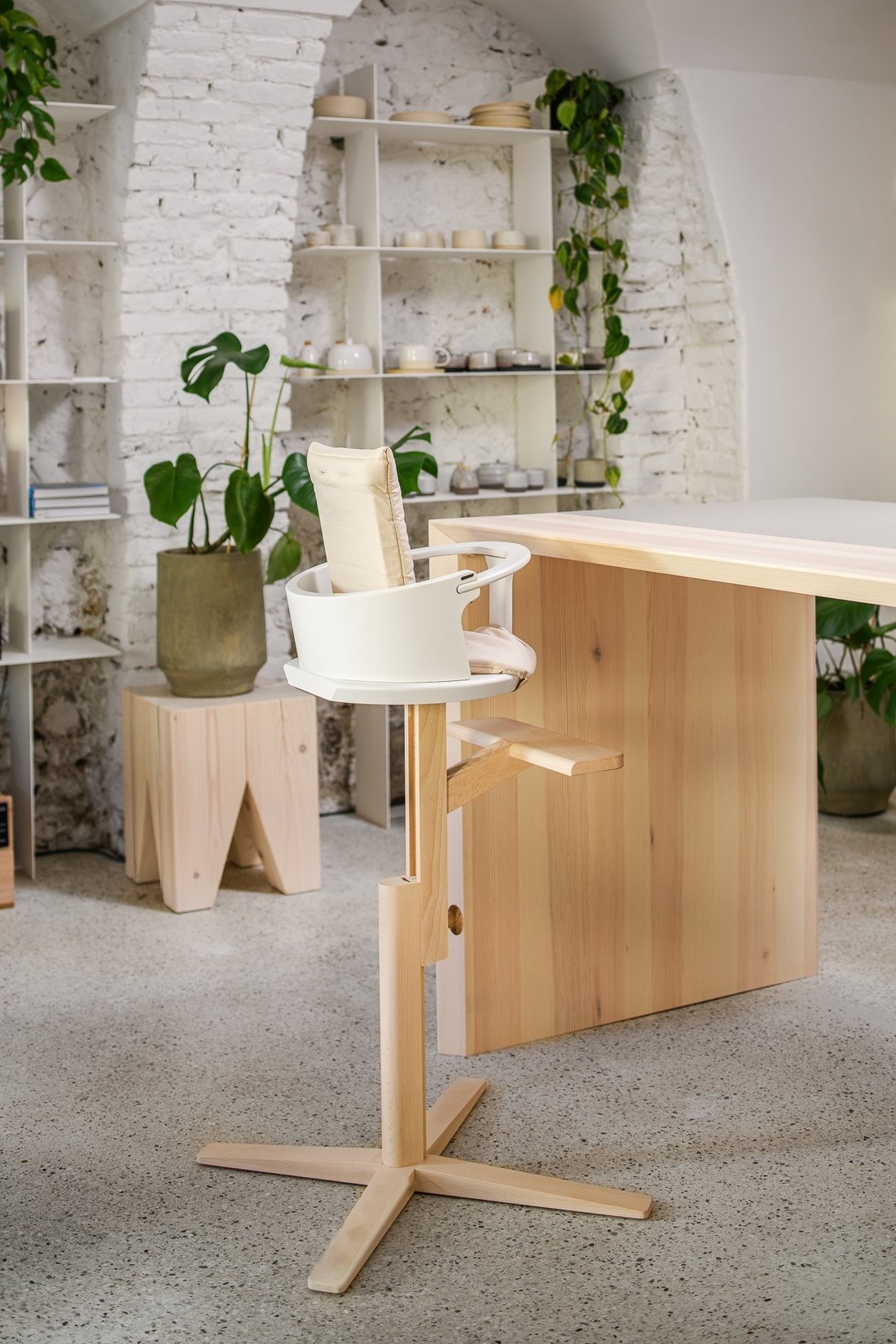
At this age, look for a firm seat and backrest, a safety guard or harness, and a footrest high enough for little feet. Dangling legs make babies slide and slump.
Toddlers (1 to 3 years)
Toddlers want to be part of everything. They also move a lot. The goal is not to keep them perfectly still, but to give them a steady base so they can focus on their food.
The classic guide is 90-90-90: hips, knees and ankles bent at about 90 degrees, feet flat, table just above the elbows. If your family eats at a kitchen island, the same rule applies. Our guide to choosing a high chair for a kitchen island explains how.
Preschool and school age (4 to 10 years)
Now the chair is not only for meals. It is for drawing, puzzles and, sooner than you think, homework. This is the age when sitting time really adds up.
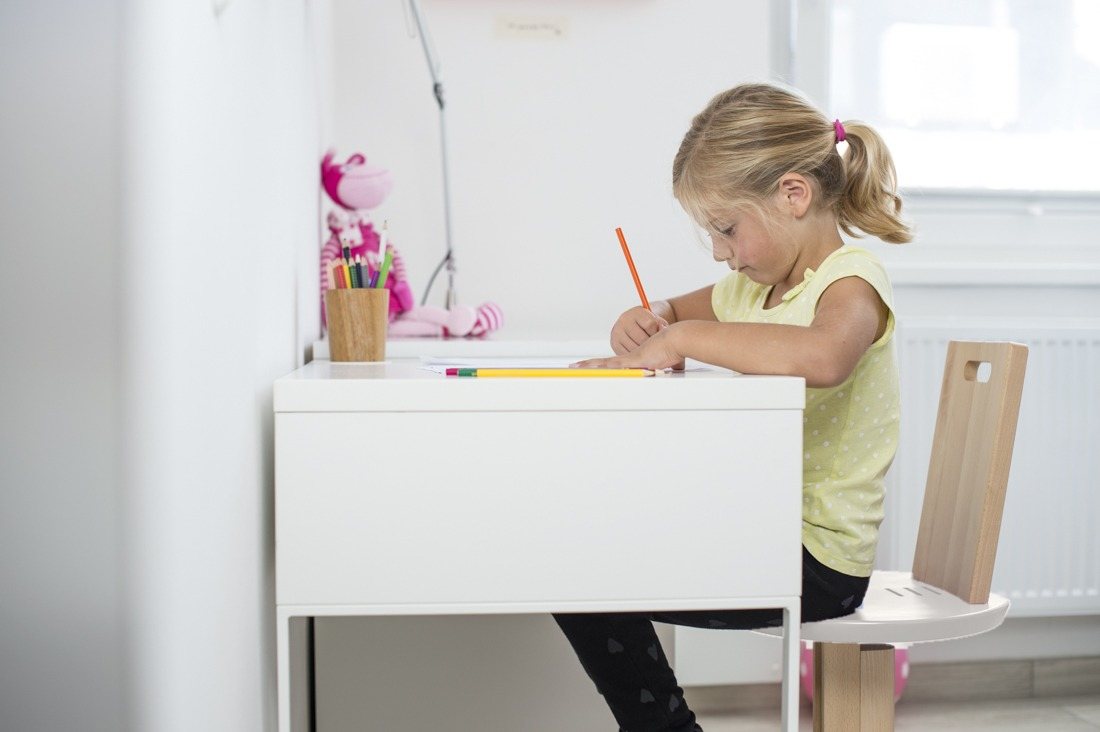
A few things to check at the desk or table:
- Elbows, hips and knees at about 90 degrees. That is the guide paediatric therapists at HSS use for school kids too.
- Feet never dangling. If the feet don’t reach the floor, raise the footrest or put a box under them.
- Bottom all the way back in the chair, so the backrest supports the lower back.
- Screens at eye height, not down in the lap, to spare the neck.
Kids also need to move more often than adults. HSS suggests changing position every 10 to 15 minutes. A short stretch, a glass of water or a quick walk to the kitchen counts.
Sitting posture by age at a glance
| Age | Seat and back | Feet | Table |
|---|---|---|---|
| Around 6 months to 1 year | Firm seat and backrest, safety guard or harness | On a footrest high enough for small feet | Just above the elbows |
| 1 to 3 years | Back against the backrest, hips and knees at about 90° | Flat on the footrest | Just above the elbows |
| 4 to 10 years | Bottom all the way back, lower back supported | Flat on the footrest or the floor | About elbow height, screens at eye height |
What to look for in a children’s chair
Most furniture is made for adults. That is why the chair matters so much. We asked Petra Hočevar, a senior occupational therapist who works with children in developmental neurology, what parents should look for. Here is her list:
- Good ergonomics
- A comfortable, padded seat cushion that can be removed
- A safety guard or harness that can be removed
- An adjustable backrest
- A seat that adjusts in height
- A footrest that adjusts in height
- Settings that let the chair grow with your child
Why do the back and the feet matter so much? Support at the back helps the child sit actively. Support under the feet gives them the feeling of really sitting. With the body aligned, activities at the table become easier.
“The Peak chair supports the child at the points that matter most for spine development and correct sitting. It allows correct sitting from the youngest children to older ones who still need foot support. I warmly recommend it to all parents and parents-to-be.”
Petra Hočevar, senior occupational therapist
The Peak chair by Norstol
We made the Peak chair so one chair could follow a child through all these stages. You can adjust three things: the seat height, the footrest and the backrest. At 6 months it is a high chair with a safety guard. At 3 it is your toddler’s seat at the family table. At 8 it is the chair at the desk where homework happens. Solid wood, no plastic parts, and made to last for years.
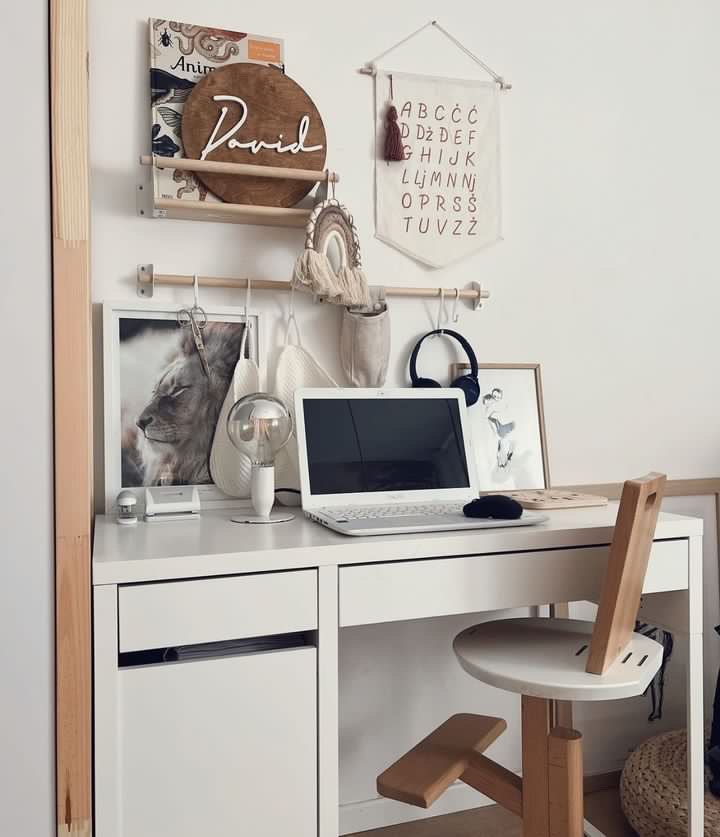
Ready to give your child a chair that grows with them?
Signs your child’s chair doesn’t fit
Kids rarely say “my chair is uncomfortable”. They show it. Watch for these:
- Dangling feet. No footrest, or it is too low.
- Kneeling or standing on the chair. Usually a sign the table is too high.
- Leaning on the elbows or resting the chin on the table.
- Sliding down until they are almost lying in the chair.
- Constant wriggling and getting up after a few bites.
If you spot two or three of these, adjust the seat and footrest first. Often that is all it takes.
Small habits that help every day
A good chair does a lot. These habits do the rest.
- Be the example. Kids copy what they see. Sit up at the table yourself.
- Praise, don’t nag. “You’re sitting like a pro today” works better than “sit up straight” for the tenth time.
- Check the setup as they grow. A quick look every few months. Are the feet still flat? Is the table still just above the elbows?
- Build in movement breaks. Especially for screens, drawing and homework.
- Pack the school bag smart. Backpack on both shoulders, heavy books close to the back, as the Royal Children’s Hospital Melbourne advises.
- Keep them active. Running, climbing and playing outside strengthen the back and shoulder muscles that hold good posture.
When to talk to a doctor
Most kids don’t need a specialist to sit better. According to the Royal Children’s Hospital Melbourne, it is worth seeing your doctor if your child:
- has back or neck pain that doesn’t go away and affects sleep or play
- can’t stand up straight
- seems to have uneven posture or a visible curve in the spine when standing
Read next: The high chair for a kitchen island that actually reaches the counter
Also read: Why your toddler should eat at the family table
FAQ
What is the correct sitting posture for a child?
The back rests against the backrest, feet are flat on the floor or a footrest, and the table is just above the elbows. Hips, knees and ankles are bent at about 90 degrees.
How should a child sit at the table?
With their bottom all the way back in the chair, feet supported and the table at elbow height. If the feet dangle, the chair or footrest needs adjusting.
Is slouching bad for kids?
Some slouching is normal. Kids move a lot and change position all the time. It is worth a closer look when your child can’t sit or stand up straight, or has back or neck pain that doesn’t go away.
What is the right desk height for a child?
When your child sits with feet supported, the desk should be at about elbow height, with shoulders relaxed. If the desk is too high, raise the seat and the footrest together.
What kind of chair helps a child sit well at a desk?
A chair that adjusts to your child, not the other way around. The Peak chair by Norstol has an adjustable seat, footrest and backrest, so it works from around 6 months as a high chair to about 10 years as a desk chair.
How much should kids move during homework?
Children need to move more often than adults. Paediatric therapists suggest a change of position every 10 to 15 minutes during longer activities.
When should I worry about my child’s posture?
Talk to your doctor if your child has ongoing back or neck pain, can’t stand up straight, or seems to have a curve in the spine.